
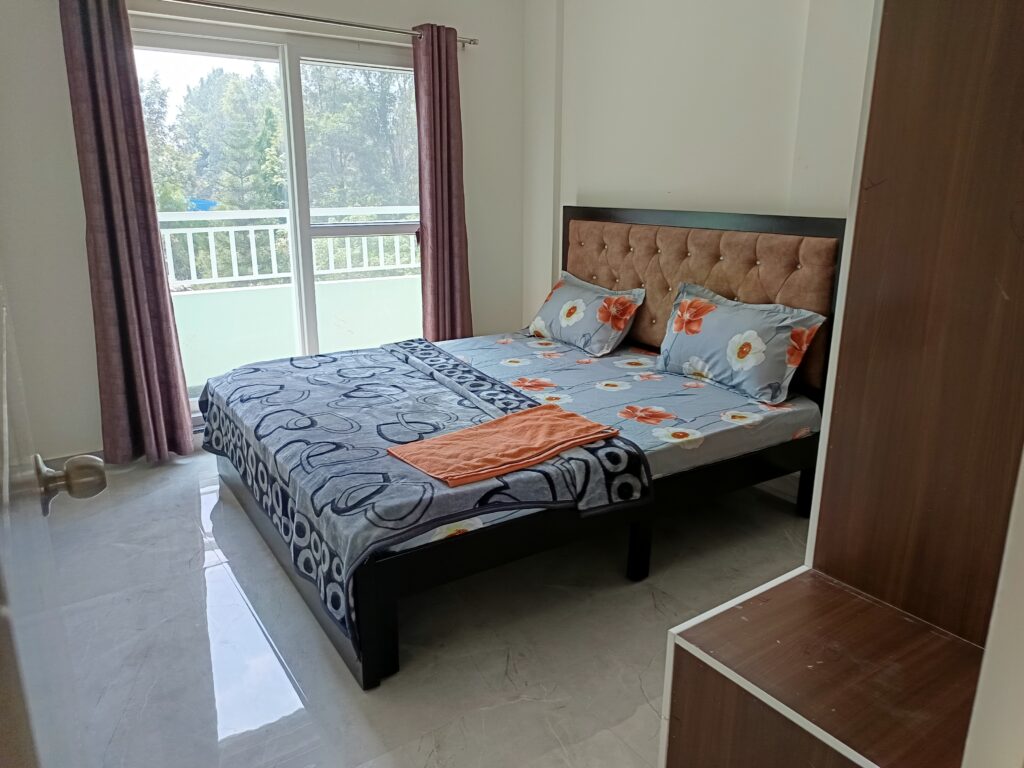
In fast-moving work environments like Bommasandra, within Bangalore, rhythm is not something people usually talk about—but it’s always there.
Some days feel disjointed.
Others feel smooth.
The difference isn’t always the workload. It’s how well each part of the day connects to the next.
When there’s no rhythm, everything feels forced. You move from one task to another without continuity. You stop, restart, adjust, and repeat. Even simple work begins to feel heavier because nothing flows naturally.
But when rhythm is present, the experience changes.
Tasks connect.
Time feels structured.
Movement feels steady.
And that rhythm doesn’t come from effort alone—it comes from the environment allowing that flow to exist.
At Sagar Niwas, this rhythm tends to develop over time.
There’s no disruption in how the day begins.
No break in how it continues.
No friction in how it ends.
Everything aligns just enough for a natural pattern to form.
And once that pattern settles, work begins to feel different.
You don’t push through tasks—you move through them.
You don’t struggle with transitions—they happen smoothly.
You don’t lose track of time—it carries you forward.
This creates a working experience that feels more balanced.
Even during busy days, the rhythm holds. Even when things change, the structure adapts without breaking.
Over longer periods, this becomes a quiet advantage.
Because maintaining rhythm is what allows consistency.
It keeps your focus steady.
It keeps your energy balanced.
It keeps your progress uninterrupted.
And in high-demand professional settings, that consistency is what matters most.
A stable environment supports this without drawing attention to itself.
It doesn’t force rhythm—it allows it.
And when your work falls into a natural rhythm, everything becomes easier to handle—not because there is less to do, but because everything fits together the way it should.
🌐 www.sagarniwas.com
📞 +91 9972769456